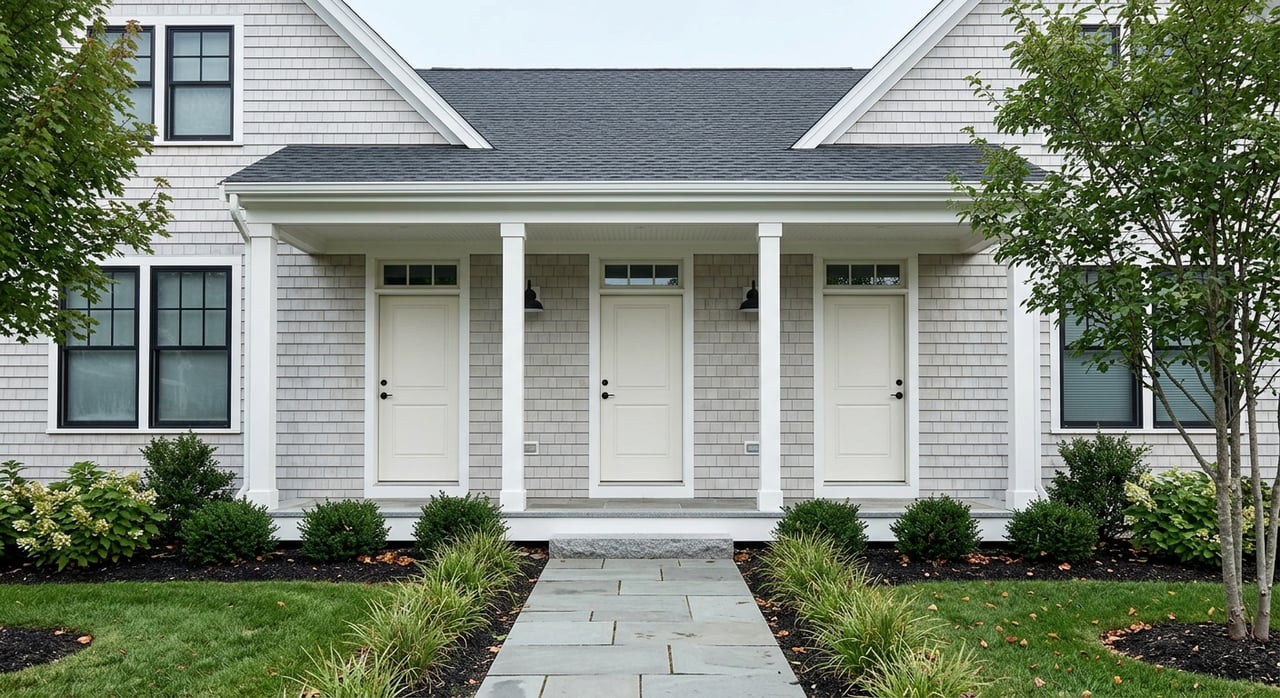
Marshfield Condo and HOA Rules Every Buyer Should Know
April 2, 2026
April 2, 2026
If you are thinking about buying a condo in Marshfield, the monthly fee is only part of the story. Association living can offer convenience, shared maintenance, and access to a wider range of housing options, but it also comes with rules, budgets, insurance details, and decision-making processes you need to understand before you buy. In a coastal town like Marshfield, those details matter even more because flood and storm risks can affect both costs and responsibilities. Let’s dive in.
In Massachusetts, condominiums are privately owned communities governed by recorded legal documents such as the master deed, declaration of trust, bylaws, and any amendments. The state notes that it does not provide regulatory oversight for condos, which means many questions about rights, obligations, and disputes are legal matters best reviewed with a real estate attorney. You can read the state’s overview on Massachusetts condominium guidance.
Most Massachusetts condo associations are set up as trusts with trustees. In practical terms, that means you own your unit, while the association manages common areas and shared expenses. The condo fee is usually based on the annual budget and is commonly paid monthly.
That budget often includes items like exterior maintenance, insurance for common areas, and reserve funding for future repairs. According to the Commonwealth’s condo guidance, associations are required to maintain an adequate replacement reserve fund, which is one reason reviewing finances is so important before you commit. You can find more detail in the state’s condominium and cooperative summary.
Marshfield has a housing mix that includes over-55 rentals, 55+ condominiums, and larger multifamily developments, so association living is a real part of the local market. The town’s Housing Production Plan references communities and projects such as Ocean Shores, Winslow Village, Modera at Marshfield, and 55+ condominium units, which shows that buyers may have more options beyond detached single-family homes.
At the same time, Marshfield is a coastal community with meaningful environmental risk. The town’s Hazard Mitigation Plan identifies coastal flooding, erosion, hurricanes, and tropical storms as major hazards, and it points to repetitive-loss areas in places such as Brant Rock Esplanade, Rexhame, Green Harbor, Bay Street, and Canal Street.
That does not mean every condo in Marshfield faces the same level of exposure. It does mean you should look carefully at location-specific flood risk, insurance coverage, reserve planning, and the association’s approach to storm readiness before you move forward.
A condo fee can simplify homeownership, but coverage varies from one community to the next. In many Massachusetts associations, the fee may support:
You should never assume two communities include the same things. Ask exactly what the monthly fee covers, how often it has increased, and whether the association has relied on special assessments in recent years.
If owners do not pay assessments, Massachusetts law allows related charges, including late fees, attorneys’ fees, and collection costs, to become a lien against the unit. The law also allows associations to levy special assessments when regular fees and reserves are not enough to cover costs. The state statute on common expenses and liens outlines how that works.
One of the smartest things you can do when buying into a condo or HOA is to review the association documents early. These records help you understand not just the rules, but also how well the community is managed.
Key documents to request include:
Massachusetts law requires a financial report within 120 days after the fiscal year ends, and many larger associations must also complete an annual CPA review. The state’s condominium records requirements are helpful if you want to understand what associations are expected to maintain.
When you review these materials, look for patterns. Are fees rising steadily? Is the reserve fund healthy? Do the meeting minutes mention deferred maintenance, water intrusion, roofing projects, or insurance concerns? Those clues can tell you a lot about what ownership may look like over the next several years.
In Marshfield, coastal risk deserves its own checklist. Standard homeowners, renters, and condo policies generally do not cover flood damage, so you need to understand what the association insures and what you may need to insure on your own.
Important questions include:
Massachusetts notes that there is no state law requiring flood insurance, though lenders often require it when a mortgage is involved. The official place to check flood-hazard mapping is FEMA’s Flood Map Service Center. The same state resource also notes that NFIP building coverage for a residential condominium can be up to $250,000 per unit.
A common point of confusion in condo living is who insures what. In general, the association’s master policy covers the building and common areas, while you as the unit owner typically need your own policy for personal property, liability, and other unit-level needs.
Massachusetts explains this in its home insurance overview. The state also notes that some association agreements may allow assessments connected to a loss covered by the master policy, which is another reason to review both the insurance documents and the condo documents carefully.
You should also remember that property taxes are usually paid individually by unit owners. That is different from some buyers’ assumptions, especially if they are transitioning from renting or considering condo ownership for the first time.
Condo and HOA communities often have rules that affect how you use the property and what changes you can make. Before you buy, ask for clear answers on:
Under Massachusetts law, condominiums must prohibit smoking in indoor common areas. If the building was built before 1978, lead-paint notification requirements may also apply. The state provides guidance on smoke-free housing rules.
Meeting procedures also matter more than many buyers expect. Massachusetts law allows condo boards to hold certain meetings by telephonic or video conference if participants can communicate simultaneously, so it is worth asking how owners attend meetings, vote, and stay informed. The state statute on remote condo meetings can help you understand the framework.
Some parts of condo buying are straightforward. Others are technical and worth reviewing with the right professionals before you close.
Massachusetts explicitly says that legal questions about condo law, documents, and owner rights should be directed to an attorney with real estate and condominium experience. Insurance questions should go to your carrier or broker because master-policy and HO-6 coverage can vary by community.
That guidance is especially important in Marshfield, where a coastal location can add another layer of complexity. A careful document review now can help you avoid surprises later.
Condo and HOA living in Marshfield can be a great fit if you want lower-maintenance ownership, a more streamlined lifestyle, or access to housing options that may not look like a traditional single-family home. The key is to go in with a clear understanding of fees, reserves, rules, insurance, and coastal risk.
If you want help comparing communities, reviewing the practical questions to ask, and understanding how a specific Marshfield property fits your goals, The Guimares Group can help you navigate the process with clear communication and local insight.
Stay up to date on the latest real estate trends.
August 20, 2026
August 13, 2026

August 6, 2026

August 6, 2026
July 23, 2026
July 16, 2026

July 9, 2026
July 2, 2026

June 25, 2026
For the best service and results when it comes to all of your real estate needs, reach out anytime.