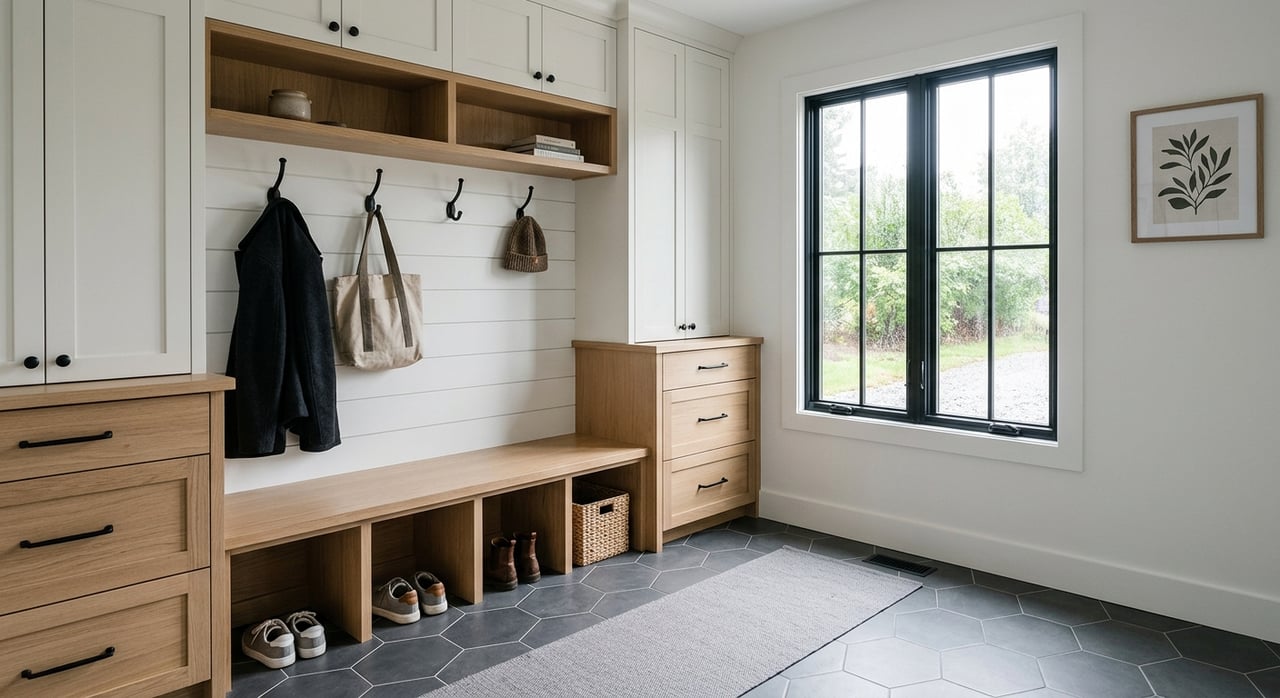
Hanover MA New Home Build Process: A Step-by-Step Roadmap
April 23, 2026
April 23, 2026
Building a new home in Hanover can feel exciting right up until the process starts sounding like a stack of permits, hearings, and inspections. If you are reserving a lot or buying a home that has not broken ground yet, it is normal to wonder what actually happens next and why timelines can shift. This roadmap will help you understand the major steps, the local approvals that matter in Hanover, and the documents and milestones you should expect along the way. Let’s dive in.
Hanover does not route a new home build through one single approval desk. Instead, projects often move through several town departments depending on the lot, the subdivision status, and the site conditions.
That can include the Planning Board, Building Department, Conservation Commission, Department of Public Works, Board of Health, and other town reviewers. In practice, that means a home can be described as "approved" in one sense while still needing other signoffs before construction can start.
According to Hanover’s Planning Board processes and procedures, subdivision, site plan, special permit, and approval-not-required filings follow a defined sequence that includes public notice, hearing, written decision, appeal period, and recording at the Plymouth County Registry of Deeds. Only after recording and related approvals are complete can a pre-construction meeting be scheduled.
If you are at the reservation stage, the lot itself is the first thing to understand. In Hanover, one of the biggest questions is whether the property is part of a recorded subdivision and whether any conditions run with the land.
You should also understand whether the site has conservation constraints, stormwater obligations, or septic-related review. These are not side issues. They can directly affect timing, design, and what needs to happen before the builder can move forward.
Hanover’s local process makes recorded decisions, easements, and covenants especially important in subdivision projects. The town notes that these recorded items are part of the property’s buildable status, not just background paperwork.
For subdivision-related new construction in Hanover, sequence matters. A lot can seem close to ready, but one missing step can delay the start.
The town’s Planning Board procedures outline a process that generally includes complete filing with the Town Clerk, circulation to town departments for comment, public hearing, written decision, a 20-day appeal period, and recording of the approved decision and plans. After proof of recording is provided and related permits are in place, the pre-construction meeting can happen.
This is one reason buyers sometimes hear that a project is approved but not yet ready to break ground. Approval is a milestone, but not always the finish line.
Once the lot and land-use side are in order, the project becomes heavily permit-driven. Hanover’s Building Department enforces the Massachusetts Building Code and local bylaws and issues building, electrical, and plumbing permits.
The town uses the OpenGov permitting system, which lets applicants monitor permit status and request inspections online. For buyers, this creates a more trackable process than relying only on verbal updates.
Hanover’s forms page also shows that permit packages may include items such as a Workers Compensation Insurance Affidavit and related permit forms. If conservation or health review is needed, those approvals run alongside the building permit rather than replacing it.
At the state level, Massachusetts is operating under the 10th edition of the State Building Code, effective October 11, 2024. For one- and two-family homes and townhouses of three stories or less, that code framework shapes how homes are designed, permitted, inspected, and finalized in Hanover.
Not every lot in Hanover faces the same environmental review. But when wetlands, drainage, or stormwater controls are involved, the schedule can become more layered.
Hanover’s Conservation Commission process may require a wetland specialist, a public hearing, an Order of Conditions, and inspections before, during, and after the work. Final orders or certificates may also need to be recorded.
Stormwater rules can add their own pre-construction meeting, inspection checkpoints, easement-recording requirements, and long-term maintenance obligations. Hanover’s stormwater management program explains that these rules are designed to protect water bodies and groundwater from erosion, sedimentation, flooding, and pollutant discharge.
For buyers, the practical point is simple: if a site has drainage or wetlands sensitivity, lot grading, drainage design, and site timing may be more involved than they first appear.
If the home will use septic or another system regulated by the Board of Health, that is another important lane in the process. Hanover states that plans involving new construction, remodeling, septic, wastewater treatment, pools, housing, and additions are submitted to the Health Agent.
The Board of Health procedures note that approval timeframes commonly range from 30 to 45 days. That review does not replace building permits, so it is best understood as one more moving part that can affect the overall build schedule.
Once work starts, progress is measured through inspections and milestone completion. The exact inspection schedule depends on the work being done, but Hanover allows inspection requests and status tracking through the OpenGov portal FAQ and system guidance.
For stormwater-controlled subdivision work, the local rules are especially detailed. The permittee must notify the Board before stages such as erosion control installation, site clearing, rough grading, final grading, and final landscaping, and inspections must be conducted and documented at least weekly and before and after storm events.
That is why two homes with similar floor plans can still move at different speeds. Site conditions and permit obligations often drive the calendar as much as the framing crew does.
A new-build sale often comes with more paperwork than a resale because the approval path is layered. You do not need to memorize every form, but you should know the main categories.
Common documents can include the permit application, building permit, electrical and plumbing permits, Conservation Commission filings or Orders of Conditions, Board of Health plan review for septic or wastewater, and any recorded subdivision decisions, easements, or covenants. Hanover specifically requires proof of recording before the pre-construction meeting in subdivision cases, and certain stormwater easements must be recorded before a Certificate of Completion can be issued.
A reputable builder should be able to explain which permit package is currently driving the timeline. That kind of clarity can make the entire process feel much more manageable.
Many buyers assume new construction automatically changes the inspection conversation. That is not always true.
Massachusetts states that sellers must provide a separate written disclosure about a buyer’s home-inspection rights before or at the first purchase contract. The state also notes a limited exemption for certain pre-sales of newly constructed homes if the contract is signed before substantial completion and the seller offers at least a one-year express written warranty, as explained in the state’s residential home inspection guidance.
This is a good example of why clear contract review matters in a new-build transaction. The details can depend on the timing of the contract and the structure of the builder’s warranty.
One of the most common buyer questions is whether you can move in right after the final walkthrough. In Hanover, not necessarily.
The town’s zoning bylaw states that the Building Inspector must complete a final inspection and issue an occupancy permit before the building or land use can be occupied. Hanover’s current building permit fee schedule lists a $75 occupancy permit and a $75 site inspection fee, along with building permit fees based on construction value.
That final step matters because a home can look finished to the eye while still waiting on final municipal signoff. From a planning standpoint, it is smart to treat occupancy as its own milestone.
Hanover’s local housing and zoning history helps explain why many buyers encounter lot releases and subdivision opportunities instead of more by-right dense development. The town’s Housing Production Plan noted that Hanover did not then have open-space residential development, conservation subdivision, or cluster zoning bylaws, which contributed to large-lot single-family development.
For you as a buyer, that means the local new-construction experience often centers on lot availability, parcel planning, recorded conditions, and phased releases. Knowing that context makes Hanover’s process feel a lot less mysterious.
If you want a simple way to think about the process, here is the buyer-friendly version. First comes lot selection and due diligence. Then come design choices and permit filings. After that, town approvals, recording requirements, and pre-construction steps clear the runway for construction, inspections, final signoff, and occupancy.
The best experience usually comes from understanding which milestone the project is actually in, rather than relying on broad labels like approved or almost done. Clear communication, milestone tracking, and document awareness can reduce stress at every phase.
If you are considering a new build in Hanover, working with a team that understands subdivision releases, reservation workflows, and build-stage communication can make the path much clearer. Newcon RE LLC brings a process-driven, transparent approach to South Shore new construction so you can move forward with more confidence.
Stay up to date on the latest real estate trends.
August 20, 2026
August 13, 2026
August 6, 2026
August 6, 2026
July 23, 2026
July 16, 2026
July 9, 2026
July 2, 2026

June 25, 2026
For the best service and results when it comes to all of your real estate needs, reach out anytime.