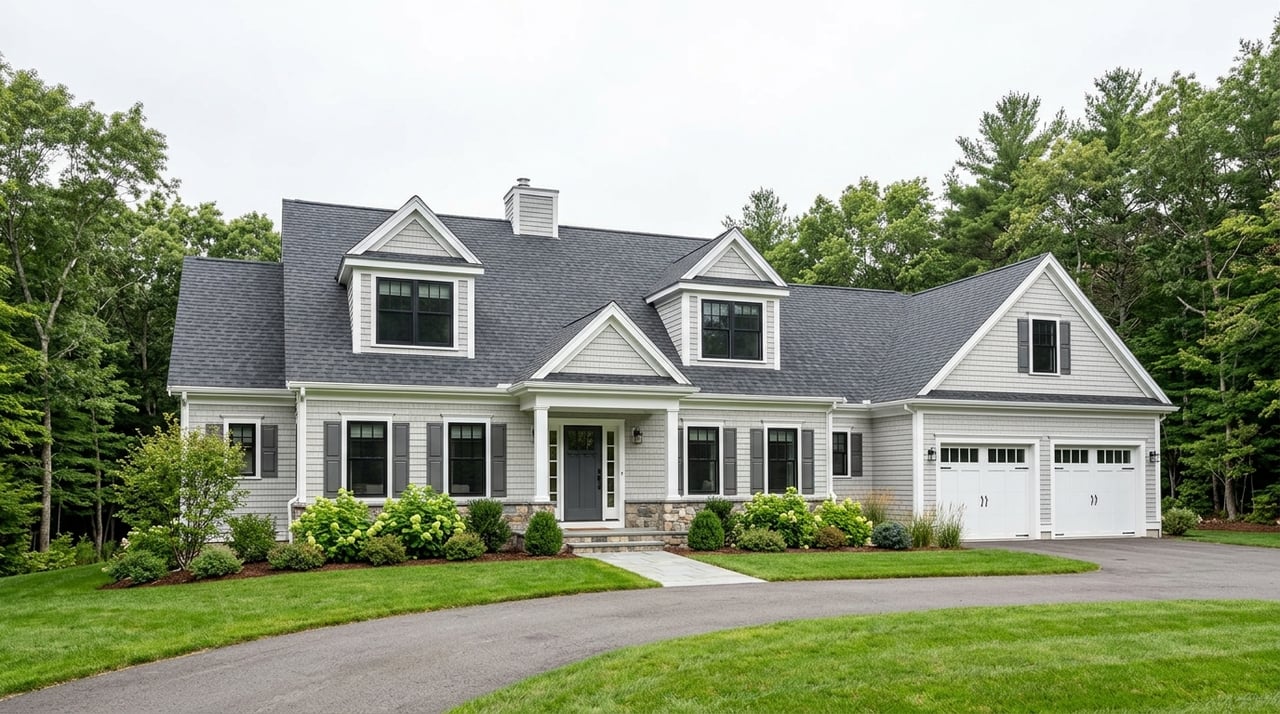
Pembroke MA Subdivision Sales Partner Playbook
April 16, 2026
April 16, 2026
If you are launching a new subdivision in Pembroke, you do not get many chances to make a strong first impression. Buyers move quickly when inventory is tight, but they also expect clear pricing, realistic timelines, and confidence that the project is being handled the right way. The good news is that Pembroke offers the kind of market conditions that can support a thoughtful, well-positioned launch. In this guide, you will see how a practical builder sales playbook can help you sequence approvals, pricing, lot releases, and buyer communication more effectively. Let’s dive in.
Pembroke is not a high-volume, commodity market. According to U.S. Census QuickFacts for Pembroke, the town had an estimated 2024 population of 18,428, a median household income of $141,332, an 88.7% owner-occupied housing rate, and a median owner-occupied home value of $550,300.
That profile matters because it points to a homeowner-heavy market with established households and relatively limited turnover. It suggests your buyer pool may include move-up buyers, downsizers, and local households looking for a well-designed new home rather than the lowest possible entry price.
Inventory also appears tight. The research report notes recent market trackers showing limited homes for sale, seller's-market conditions, and fast market times. In practical terms, that means a well-prepared subdivision launch can gain traction, but only if the product, pricing, and release schedule match real buyer expectations.
Pembroke's Master Plan offers an important reality check for builders. It states that the town had 6,941 housing units in 2023, with 79% of those units classified as single-family housing.
The same plan also notes a lack of smaller homes, accessory dwelling units, and apartments, along with constraints tied to infrastructure, environmental conditions, and the town's stated interest in preserving rural character. For you, that means product fit matters as much as lot count.
A successful subdivision in Pembroke is likely to perform best when it reflects how people actually want to live there. Floor plans, lot layout, and release strategy should make sense for established buyers who want modern design, manageable timelines, and a clear understanding of what they are reserving.
Before you think about signage, pricing sheets, or reservations, you need a clean entitlement path. Under Massachusetts General Law Chapter 41, Section 81L, a subdivision is generally the division of a tract into two or more lots.
Some projects may qualify as ANR, or approval not required, if each lot has frontage on a public way, an approved way, or a pre-existing way that the planning board considers adequate. If your project does not meet that threshold, you are likely looking at a definitive subdivision plan with a required public hearing, statutory notice requirements, and formal planning board action.
In Pembroke, the Planning Board is the local reviewer for both subdivision and ANR matters. That makes early coordination essential, especially if you are trying to align engineering, field work, and marketing without creating confusion for buyers.
Pembroke's current subdivision application checklist is detailed, and it should shape your project timeline from the start. For a definitive subdivision, the town currently requires Form C, a cover letter, fees listed at $1,500 plus $650 per residential lot, a $4,000 engineering review deposit, engineering drawings, and stormwater calculations.
The town also states that submissions must be provided in both hard copy and PDF form, and that separate checks are required. If your project can qualify as ANR, the current Form A fee is listed at $350 plus $250 per new buildable lot, along with signed forms, drawings, and a Mylar for recording.
Those details may sound administrative, but they directly affect launch timing. If your filing package is incomplete or your path is not clear, your sales calendar can slip before the first lot ever reaches the market.
One of the most common mistakes in subdivision sales is releasing lots before the road, drainage, and utility story is clear enough to support realistic buyer conversations. In Pembroke, that risk is even more important if your long-term plan includes public road acceptance.
According to the town's roadway acceptance procedure, the process should begin at least 30 days before the spring town meeting warrant opens. The procedure also calls for a public hearing at least 30 days before town meeting, abutter notification, and filing the approved Mylar with the Town Clerk at least seven days before the hearing.
That means your release plan should be tied to actual municipal scheduling, not just your construction calendar. If buyers are reserving lots based on assumptions about access, public-way timing, or completion milestones, small delays can quickly turn into avoidable frustration.
A smart launch sequence usually follows a simple order:
This kind of sequencing helps protect both your pricing and your reputation. It also gives buyers a more transparent experience, which is especially important in new construction where timelines naturally carry more moving parts.
If you price a Pembroke subdivision using a basic cost-plus formula, you may leave money on the table or create unnecessary friction. Pricing should reflect not just sticks-and-bricks construction cost, but also entitlement complexity, infrastructure timing, release pace, and expected absorption.
The NAHB 2024 cost survey found that finished lot cost averaged 13.7% of sales price, sales commission averaged 2.8%, marketing cost averaged 0.8%, and builder profit averaged 11.0% nationally. NAHB also notes that local land and labor conditions can vary materially from those national averages.
In Pembroke, those local conditions matter. A launch price should account for low inventory and buyer demand, but also for the real timing risks that come with roads, approvals, and infrastructure milestones.
Instead of presenting every home as a fully fixed final number too early, many builders benefit from pricing bands at launch. This approach can help you:
Pricing bands also work well when paired with transparent reservation language. Buyers generally respond better when they understand what is firm, what may change, and what steps come next.
A subdivision launch deserves more than a generic page on your company website. A project microsite should act like a focused landing page built around one clear next step.
According to HubSpot's landing page guidance, effective landing pages should center on one CTA and include only the key information needed to drive that action. For Pembroke, that means buyers should be able to quickly understand the offering without digging through unrelated pages.
Your microsite should include:
Clear digital presentation is especially important in a market where buyers may act quickly. If your information is scattered or outdated, you lose momentum and trust at the same time.
A strong launch does not stop at lead generation. Once interest starts coming in, your reservation and handoff process needs to be consistent from the first buyer to the last release.
NAHB's new-home sales guidance emphasizes clear expectations, structured discovery questions, and strong communication from the start. It also frames buyer care after move-in as part of the broader sales process, not a separate activity.
That matters for Pembroke subdivision launches because buyers are not just purchasing a lot. They are buying into a timeline, a build process, and a relationship with the builder team.
Your sales process should clearly define:
This kind of structure reduces confusion and helps buyers feel informed instead of reactive. It also protects your team from making one-off promises that do not hold up later in the build cycle.
Subdivision sales should not run on guesswork. Once the launch begins, you need reporting that helps you make clear decisions about pricing, phase timing, and marketing.
Based on HubSpot's sales dashboard guidance, live reporting works best when it shows progress toward specific targets using current data. For a new subdivision, the most useful dashboard usually includes traffic, lead source, lot or phase interest, reservations, cancellations, deposit status, and closings.
With those numbers in front of you, you can answer practical questions faster:
That visibility can make the difference between a controlled rollout and a reactive one.
Pembroke offers real opportunity for builders, but it rewards discipline more than speed alone. The town's lot standards, approval requirements, and road-acceptance timing create a launch environment where process directly affects sales success.
For many builders, the best playbook is not the flashiest one. It is the one that combines entitlement clarity, realistic lot releases, well-supported pricing, focused digital marketing, and steady buyer communication from reservation through closing.
If you are planning a subdivision launch in Pembroke, the right sales partner can help you bring those moving parts together into a system buyers can trust and your team can execute. To plan your next launch with a process-driven local team, connect with Newcon RE LLC.
Stay up to date on the latest real estate trends.
August 20, 2026
August 13, 2026

August 6, 2026

August 6, 2026
July 23, 2026
July 16, 2026
July 9, 2026

July 2, 2026

June 25, 2026
For the best service and results when it comes to all of your real estate needs, reach out anytime.