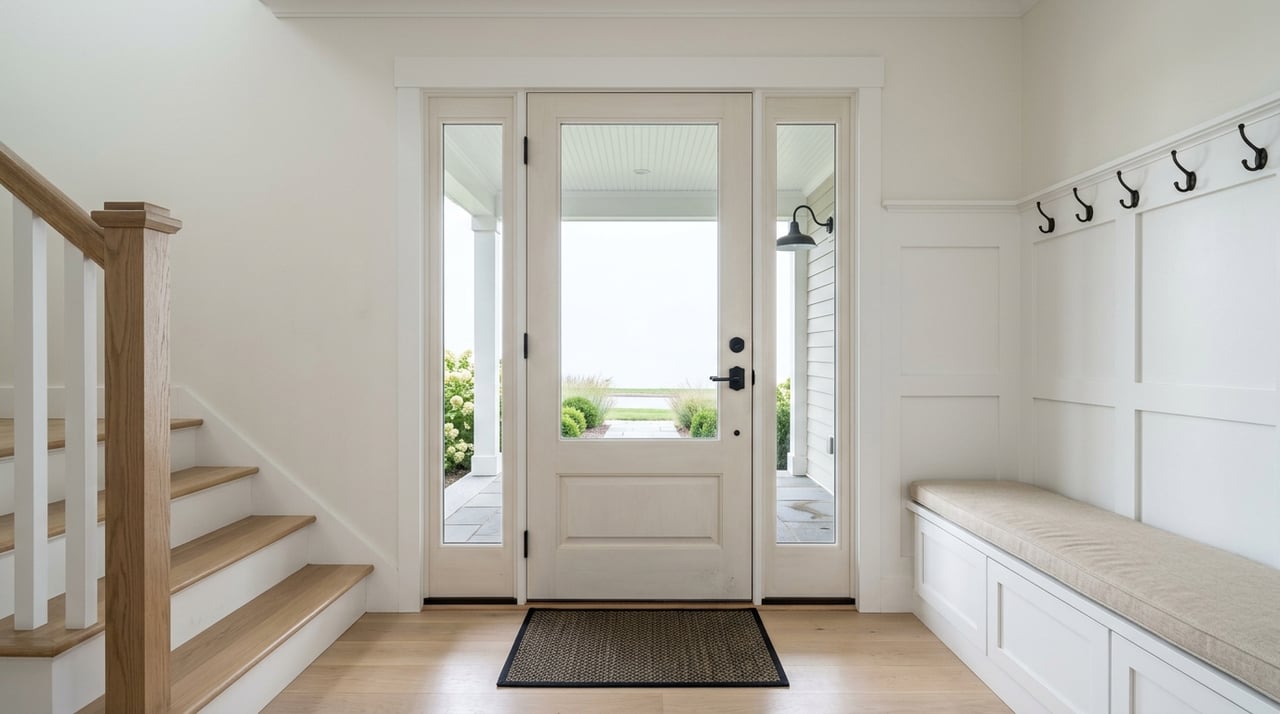
Second Home Or Primary Residence In Duxbury? Key Considerations
April 9, 2026
April 9, 2026
Are you buying in Duxbury for everyday life, weekend escapes, or a future retirement plan? That question matters more than many buyers expect. In a coastal market with limited inventory, a strong seasonal housing pattern, and parcel-specific maintenance and flood considerations, the way you plan to use the property can shape everything from financing to taxes to long-term comfort. If you are deciding between a primary residence and a second home in Duxbury, this guide will help you think through the key tradeoffs before you make an offer. Let’s dive in.
Duxbury is a primarily residential coastal town on Cape Cod Bay about 35 miles south of Boston, with beaches, recreation, and town services that appeal to both full-time residents and seasonal owners. According to the Town of Duxbury overview, the town’s location and residential character are central to its identity.
That broad appeal is part of what makes the primary-home versus second-home decision so important here. Census QuickFacts for Duxbury show 16,377 residents in 2024, a 91.2% owner-occupied housing rate, a median owner-occupied home value of $874,600, and a mean commute time of 32.9 minutes. In short, this is a high-cost, ownership-heavy market where how you plan to live in the home should guide your search.
Your day-to-day experience in Duxbury will often depend on the type of property you can find. The town’s 2024 Housing Production Plan says 89.1% of the housing stock is single-family and 8.2% is condos, with no three-family dwellings.
That matters if you want a low-maintenance setup. Buyers looking for a second home often hope for a condo or a simpler lock-and-leave option, but Duxbury’s inventory leans heavily toward detached homes. The same report also notes that about 30% of housing units were built before 1960, which can mean more upkeep planning, especially for older coastal properties.
Duxbury also has a meaningful seasonal component. The Housing Production Plan reports that 63% of vacant units in 2020 were seasonal, recreational, or occasional use, so second-home ownership is already part of the local market story.
A primary residence usually makes the most sense when you plan to live in Duxbury year-round and want the home to support your full routine. That includes commuting, storage, maintenance, local services, and long-term budgeting.
Duxbury’s residential character works well for buyers who want a stable full-time base. The town notes that it offers educational opportunities, recreational activities, and town services, all of which are relevant if you are planning everyday life rather than occasional use.
If you commute or work hybrid, location inside the town matters too. Duxbury is about 35 miles south of Boston, and its border with Kingston can be relevant for buyers who want access to the Commuter Rail area. The Housing Production Plan also says 45.1% of households had at least two vehicles in 2020, tied in part to limited public transportation, so parking and car access should stay on your checklist.
A second home can make sense if your goal is a coastal retreat, a part-time residence, or a future lifestyle move that does not start as full-time occupancy. In Duxbury, that is a common framework because seasonal and occasional-use ownership is already part of the housing mix.
From a financing standpoint, occupancy rules matter. Fannie Mae’s occupancy guidance says a second home must be occupied by the borrower for some portion of the year, be suitable for year-round occupancy, be a one-unit dwelling, remain under the borrower’s exclusive control, and not operate as a rental property or timeshare for qualification purposes.
That means you should be clear about your plan before you go under agreement. If you intend to use the property personally as a weekend place, that is one path. If you are counting on rental income or expect a mixed-use setup, your financing and tax treatment may look very different.
Many buyers look at Duxbury as a future retirement destination, and the local demographics support that use case. Census QuickFacts show that 24.5% of residents are age 65 or older.
If you are buying now with plans to live there full-time later, think beyond today’s lifestyle. A house that works for summer weekends may not be the same house you want as your primary residence down the road. Layout, stairs, maintenance, flood exposure, and proximity to your regular routines all become more important when the property shifts from occasional use to everyday living.
There may also be future tax planning implications. IRS Publication 523 says a homeowner may qualify for the federal principal-residence gain exclusion if the home was owned and used as a main residence for at least 24 months during the previous 5 years, with limits on how often the exclusion can generally be used. If retirement conversion is part of your strategy, it is smart to think about that early with a CPA.
One common misconception is that a second home automatically gets taxed at a different residential rate in Duxbury. That is not the current setup. The Duxbury Assessing Department lists an FY2026 tax rate of $9.96 per $1,000, and the town’s classification materials state that Duxbury has historically used factor 1.00, which provides one tax rate.
The bigger difference is not a separate second-home tax rate. It is whether you may qualify for local programs tied to primary residence or domicile. The town’s tax relief information for seniors and other eligible taxpayers explains that certain exemptions, relief, and deferral programs are connected to primary residence status.
So if you are comparing primary residence versus second home, do not focus only on the tax rate itself. Focus on whether your intended use affects eligibility for local relief programs.
Federal tax treatment can also vary based on how you use the property. The IRS guidance on mortgage interest and real estate taxes says mortgage interest on a personally used second residence can be deductible if it meets the same rules that apply to a primary residence, and real property taxes may also be deductible subject to federal itemized-deduction limits.
But if you later rent the home, or use it partly as a vacation property and partly as a rental, the rules can shift. This is one reason your occupancy plan should be clear before closing. A lender, CPA, and insurance professional can help you confirm how your intended use lines up with current rules.
In Duxbury, home use and home care are closely connected. That is especially true if you are buying a second home and may leave the property unattended for stretches of time.
The town’s Coastal Resiliency Task Force says Duxbury faces increasingly frequent flood threats from stronger storm surges, more intense coastal storms, and rising sea levels. The town also operates high-water text alerts for roads in the Bluefish River floodplain, which is a reminder that flood exposure is not just a broad town issue. It is parcel-specific.
Before you commit, confirm the flood status of the exact property. FEMA’s flood insurance guidance explains that homes in a Special Flood Hazard Area with government-backed mortgages require flood insurance, and FEMA’s Flood Map Service Center is the official tool for checking flood zones.
Maintenance is another major factor. Duxbury’s stormwater guidance notes that poorly maintained septic systems can release nutrients and pathogens, and recommends septic inspections every 3 years and pumping every 3 to 5 years. For older single-family homes, especially in a coastal setting, that should be part of your budget and planning from day one.
If you are still torn, start with one practical question: How will you really use the home for the next three to five years? Not the dream version, but the likely version.
If you expect weekly living, commuting, and full-time routines, a primary-residence lens usually makes the most sense. If you want seasonal use, occasional weekends, or a slower transition into retirement, a second-home lens may fit better. In Duxbury, that choice affects how you evaluate inventory, costs, maintenance, flood risk, and potential tax treatment.
The good news is that Duxbury can work well for all three paths: full-time living, part-time ownership, or future retirement planning. The key is making sure the property matches your actual occupancy plan, not just your long-term wish list.
If you want help thinking through property type, coastal due diligence, and what fits your goals in Duxbury, The Guimares Group can guide you through the process with local perspective and a clear, organized approach.
Stay up to date on the latest real estate trends.

October 22, 2026
October 15, 2026
October 8, 2026
October 1, 2026
August 27, 2026
August 20, 2026
August 13, 2026

August 6, 2026
August 6, 2026
For the best service and results when it comes to all of your real estate needs, reach out anytime.