Thinking about buying a duplex or a 2–4 unit building around Kingston? You are not alone. Many South Shore buyers are combining a smart commute with steady rental income to offset their mortgage. In this guide, you will learn where demand comes from, what property types to expect, the local rules that matter, and a simple underwriting plan you can use to compare deals. Let’s dive in.
Why Kingston and Plymouth work
Kingston and nearby Plymouth draw steady renter interest because they blend suburban living with direct Commuter Rail access to Boston. Kingston’s MBTA station connects to South Station, with typical trips around an hour depending on schedule. If you buy within a short drive or walk of the station, your unit mix will appeal to commuters who want convenience without city pricing. You can review schedules and the station location on the MBTA’s Kingston page for context.
- MBTA station access expands your renter pool, especially for one- and two-bedroom units. You can point prospects to the Kingston Commuter Rail station details when marketing.
- A larger local base supports long-term demand. Kingston’s population is about 14,400 and Plymouth’s is roughly 66,700, which helps size the market for services and rentals. See the latest figures on Census QuickFacts.
- Research on transit-oriented neighborhoods suggests a price and rent premium within roughly a quarter to a half mile of rail stations. You can reference this when evaluating listings near the platform. See a summary of findings in this transit premium review.
Property types you will see
You will mostly encounter classic New England small multifamily buildings across Kingston, Plymouth, and nearby South Shore towns:
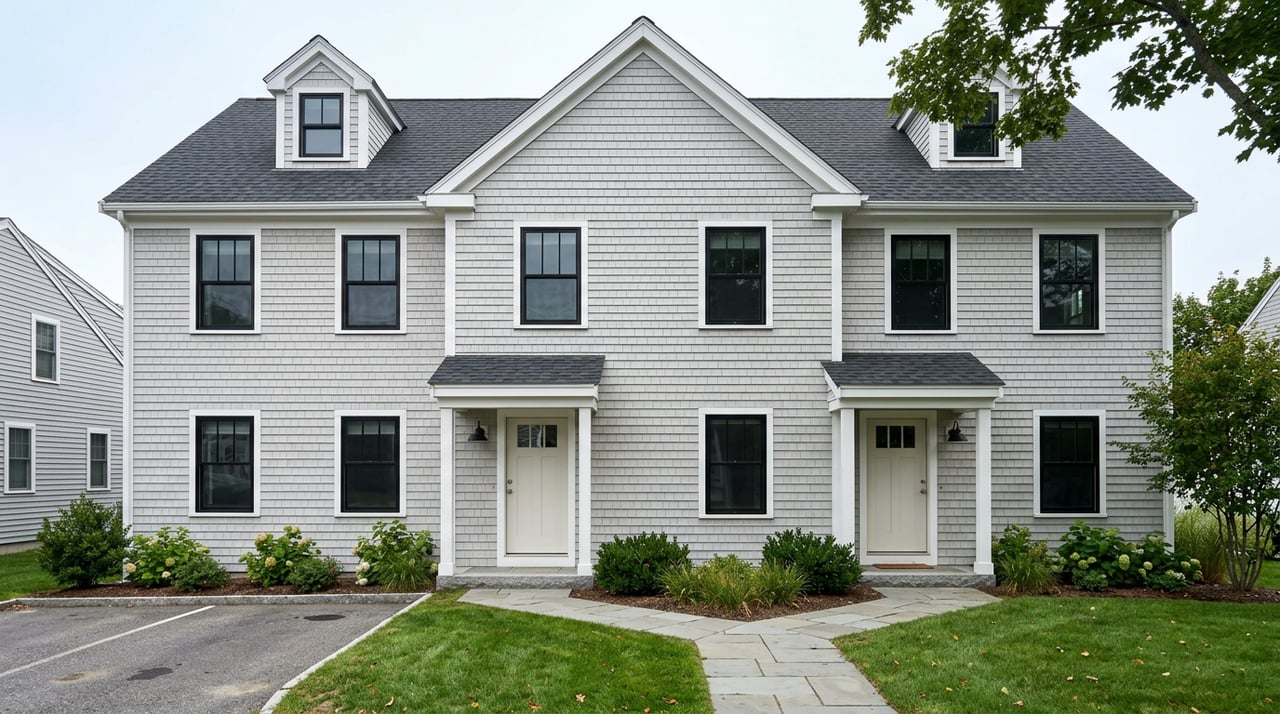
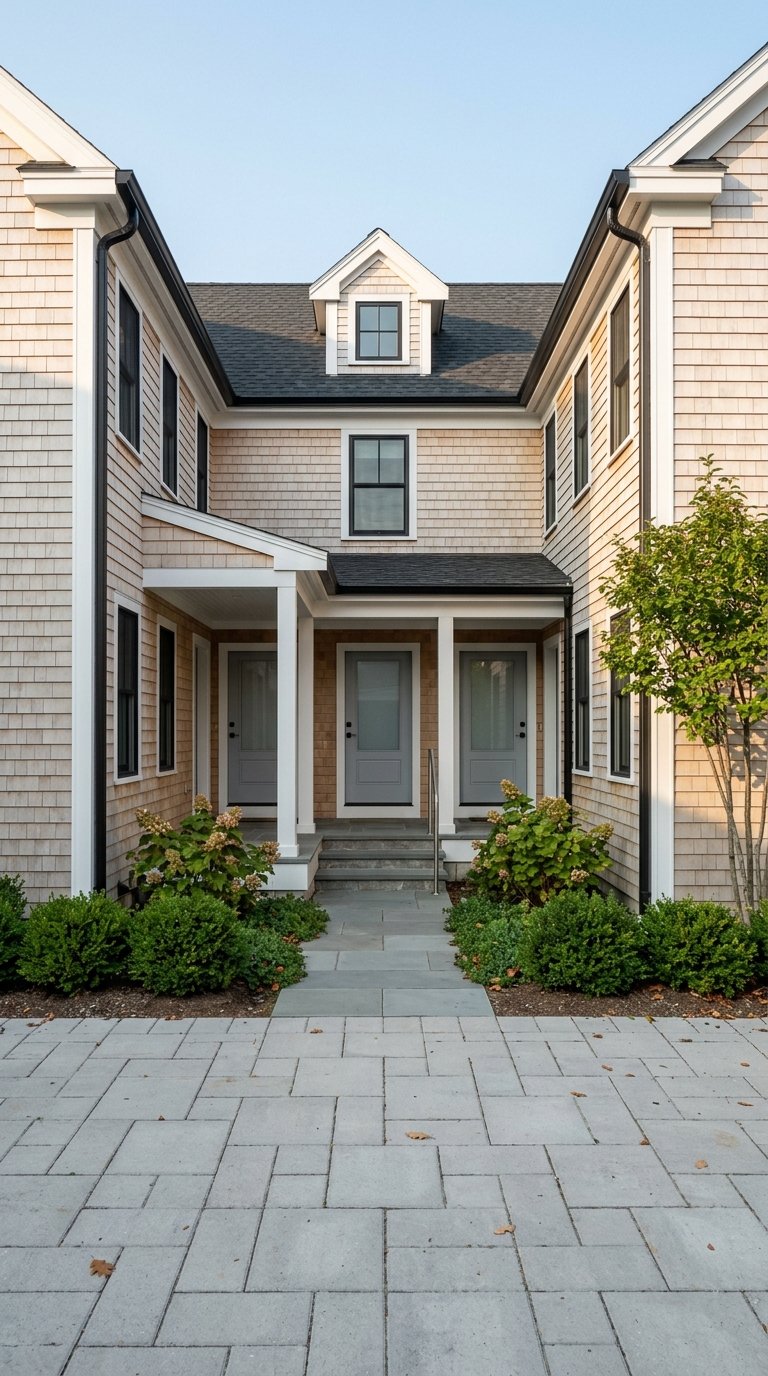
- Two-family (duplex) wood-frame homes with stacked or side-by-side layouts. These are ideal for house-hacking because you can live in one unit and rent the other.
- Three- to four-unit walk-ups, sometimes converted from older single-family homes. Expect mixed finishes and floorplans.
- Single-family homes with an accessory dwelling unit or in-law apartment. Always verify whether the accessory unit is legal and permitted.
What to check on every listing
Use this simple checklist before you build a spreadsheet:
- Unit mix and floorplans: bedrooms, baths, separate kitchens, and entrances.
- Rent roll and leases: current rents, lease start and end dates, and security deposits. Ask for written leases and evidence of on-time payments.
- Utilities and mechanics: who pays heat, hot water, and electric; age and type of boilers, water heaters, electrical service, and any oil tanks.
- Condition: roof age, foundation and moisture, windows and doors, and any visible unpermitted work.
- Zoning and occupancy: confirm the legal unit count and any occupancy limits with the town. Note whether the property is on sewer or a private septic system.
- Permits and inspections: building permits for past work, smoke and CO compliance, and lead paint disclosures for pre-1978 homes.
Local rules that matter
Understanding local zoning and health codes is critical. Two towns can treat the same building very differently.
- Accessory dwelling units and short-term rentals: Kingston’s zoning bylaw outlines ADU and short-term rental definitions, along with where special permits apply. Review the Town of Kingston Zoning Bylaws and confirm specifics with the planning and building departments early.
- Short-term rentals in Plymouth: As of January 1, 2024, Plymouth requires short-term rental registration and a permit under the local framework. Check details on the Town of Plymouth short-term rental page before assuming any nightly rental strategy.
- Septic systems and Title 5: Many South Shore properties outside downtown areas use private septic. Title 5 rules govern inspections at sale and anytime you add bedrooms or change the use. A failing or undersized system can be a significant capital expense. Review guidance from MassDEP on Title 5.
- Lead paint disclosures: For pre-1978 housing, federal law requires sellers and landlords to disclose known lead hazards and provide the EPA/HUD pamphlet. Stay compliant with the EPA lead disclosure rule.
Quick underwriting for Kingston-area small multis
Start with real numbers from the listing and then overlay conservative assumptions. Your aim is to test cash flow, not to stretch it.
- Rents: Use current leases and compare to nearby market rents for similar units. HUD Fair Market Rents can help set a ballpark for Plymouth County while you seek unit-level comps. See county benchmarks on US Housing Data’s FMR page.
- Vacancy: A 5 to 8 percent allowance is a reasonable starting point in commuter-rail towns. Adjust once you have local vacancy evidence.
- Operating expenses: Include property taxes, insurance, utilities you pay, routine maintenance, management if used, and reserves. For older buildings, a reserve line of $250 to $500 per unit per month is a conservative placeholder.
- Financing: Your rate, amortization, and down payment will drive cash flow. If you plan to owner-occupy, explore programs designed for primary residences. Always get current quotes from lenders.
A simple example
This is only an illustration. Plug in actual numbers from the property you are considering.
- Purchase price: $650,000
- Gross scheduled rent: $2,200 + $1,900 = $4,100 per month, or $49,200 per year
- Vacancy at 7 percent: $3,444 per year
- Effective Gross Income: about $45,756 per year
- Operating expenses: begin with 35 to 45 percent of EGI, then refine based on actual taxes, insurance quotes, and utility splits
- Debt service: vary by loan type and down payment. Run multiple scenarios instead of one static rate.
Two quick tests help you sanity-check your offer:
- Cap rate: Estimate Net Operating Income and compare against recent small-multifamily sales in the same town or zip. If your implied cap rate sits far below comparable sales, you need clear upside or better terms.
- The 1 percent rule: In the Boston metro and South Shore, this rule rarely holds. Do not expect monthly rent to equal 1 percent of the purchase price. Use cap rate and debt coverage instead.
Taxes to factor in
Local tax rates can be a major line item. For example, Kingston’s FY2026 tax rate is $12.82 per $1,000 of assessed value. Use the Kingston Assessors page to look up exact bills and confirm details for a specific property.
If you are analyzing a Plymouth property, confirm the current fiscal year rate on the town’s site before you finalize a pro forma. You can start on Plymouth’s tax pages and then verify the latest figures directly with the Assessor’s office.
Value-add strategies that fit the South Shore
Many small multifamily owners in Kingston and Plymouth boost returns with practical improvements. Here are common moves and where to be careful:
- Upgrade kitchens and baths to reach market rents. Time work between tenancies based on lease end dates.
- Add an accessory dwelling unit where zoning allows and septic or sewer capacity is sufficient. Start by reviewing the Kingston Zoning Bylaws and then confirm with the building and health departments.
- Legalize an attic or basement unit if the layout supports it. This can trigger Title 5 review and building code upgrades, so price it as a higher-touch project. See MassDEP’s Title 5 guidance.
- Separate utilities to shift costs to tenants. Check meter locations and consult the utility provider on requirements before you budget the work.
A due diligence roadmap you can follow
Work this sequence once you are serious about a property:
- Request the rent roll, all leases, security deposit receipts, and a 12-month utility history.
- Confirm the legal unit count with the assessor and building department. Review short-term rental and ADU rules early in the process using the Kingston Zoning Bylaws when applicable.
- If the property is on septic, order a Title 5 inspection or review existing reports and permits. Begin with MassDEP’s Title 5 overview.
- Schedule inspections: general home inspection, pest, oil tank (if present), and an electrician to assess service size and multi-meter setups.
- Confirm permits for any planned value-add and collect written estimates for permitting and construction.
- Verify taxes, insurance, and zoning costs or limitations using the Kingston Assessors page or the equivalent page for the town where the property is located.
Location tips within Kingston and Plymouth
- Prioritize proximity to the Kingston MBTA station. Most studies show demand and price effects are strongest within about a half-mile. Walkability and parking also matter for renters.
- Highlight fast access to Route 3 and local retail clusters when you market units. Many tenants organize their search around commute and convenience.
- If you plan to house-hack, consider layouts that offer privacy between units. Side-by-side duplexes with separate entries often lease more quickly and keep the peace.
Putting it together
If you want a repeatable approach, start with location and legality, then confirm income and expenses, then assess value-add. This order helps you avoid surprises and keeps you focused on the few deals that truly pencil. When in doubt, call the building department, request documentation in writing, and run a conservative pro forma before you negotiate.
Ready to evaluate a specific property or build a short list of targets near the Kingston station or in Plymouth’s core neighborhoods? Partner with a local team that knows small multifamily, zoning checkpoints, and investor underwriting.
If you want a clear plan and steady guidance from search to close, talk with The Guimares Group. Our South Shore experience with duplexes, small multis, land, and new construction gives you local insight, disciplined process, and a smoother path to your next cash-flowing property.
FAQs
What makes Kingston attractive for small multifamily investors?
- Direct MBTA access to Boston, steady South Shore demand sized by Kingston and Plymouth populations, and a potential transit premium near the station support rents and long-term value.
How close to the Kingston MBTA station should I buy for rent growth?
- Studies often find the strongest rent and price effects within about a quarter to a half mile of rail stations, but verify walkability, parking, and schedule frequency for the specific property.
Are short-term rentals allowed in Plymouth and Kingston?
- Plymouth requires registration and permits for short-term rentals, and Kingston regulates them through zoning; review town pages and confirm your intended use with local officials.
How do Title 5 septic rules affect a duplex purchase?
- If the property is on septic, Title 5 inspection and capacity drive what you can add or convert, so a failing or undersized system can impact budgets and timelines.
What taxes should I use in my pro forma for Kingston?
- Use the current fiscal year rate and actual assessed value; as an example, Kingston’s FY2026 rate is $12.82 per $1,000 and you can confirm property-specific figures on the town assessor’s site.