Thinking about listing your Scituate home in the next few months? Getting your house market-ready on the South Shore takes a bit more planning, especially with coastal details that buyers care about. With a focused checklist and the right documents at your fingertips, you can streamline showings, avoid last-minute surprises, and present your home with confidence. This guide gives you a clear plan you can follow from now through photo day. Let’s dive in.
What Scituate buyers want right now
Buyer preferences are steady: most people value a functional layout, strong natural light, usable outdoor space, and practical upgrades like laundry and energy-efficient systems. Recent national buyer research highlights these features as top priorities, along with flexible rooms that can double as an office or guest space. You will also see interest in efficient appliances and modern windows. You can read more about these trends in the National Association of Home Builders’ summary of what today’s buyers want.
- According to the NAHB, buyers consistently prioritize floor plan functionality, natural light, outdoor living, and efficient features. See the full breakdown in the NAHB’s report on what home buyers really want in 2024: NAHB buyer preferences.
- In Scituate, many buyers look for water views, easy access to beaches and the harbor, and low-maintenance exteriors. Clean sightlines to the water and tidy decks go a long way in photos and in person.
- Commuters also value proximity to the Greenbush Line and village amenities. Clean, bright spaces that photograph well tend to win more showings and stronger offers.
Your pre-listing timeline
A clear plan helps you move fast when you are ready to list. Use this 30 to 90 day timeline to sequence your tasks and keep stress low.
Days 1–7: Declutter, clean, collect
- Declutter all rooms, closets, and storage zones. Pack what you will not need before the move.
- Deep clean interior surfaces, floors, and windows. Clean windows matter more in coastal homes because light and views sell.
- Start your seller packet. Pull permits, Title 5 records if you are on septic, flood and insurance docs, and 12 months of utility bills. MassDEP explains what to gather for septic transfers here: Massachusetts Title 5 guidance.
Weeks 1–3: Paint and stage the big three
- Paint high-traffic spaces in neutral, light tones to brighten rooms and expand visual space.
- Focus staging on the living room, kitchen, and primary bedroom. The National Association of Realtors reports that targeted staging can reduce time on market and support stronger offers. Learn more here: NAR home staging research.
Weeks 2–6: High-ROI exterior refresh
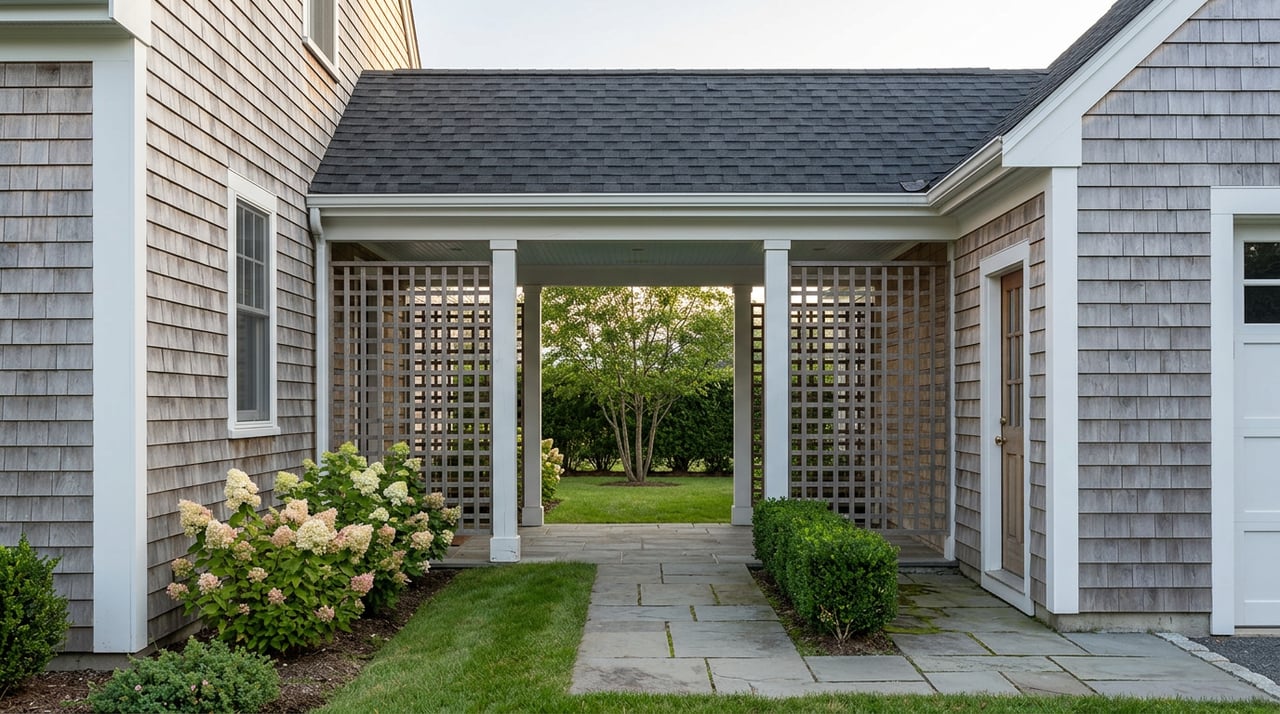
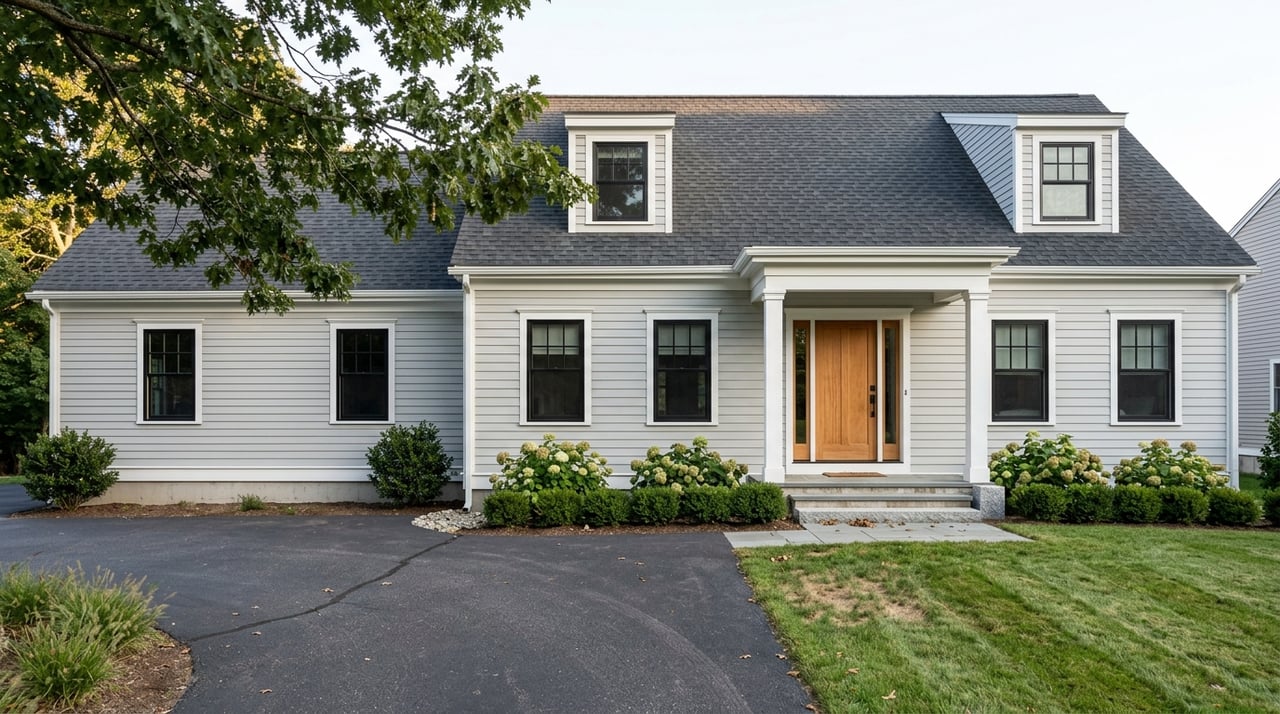
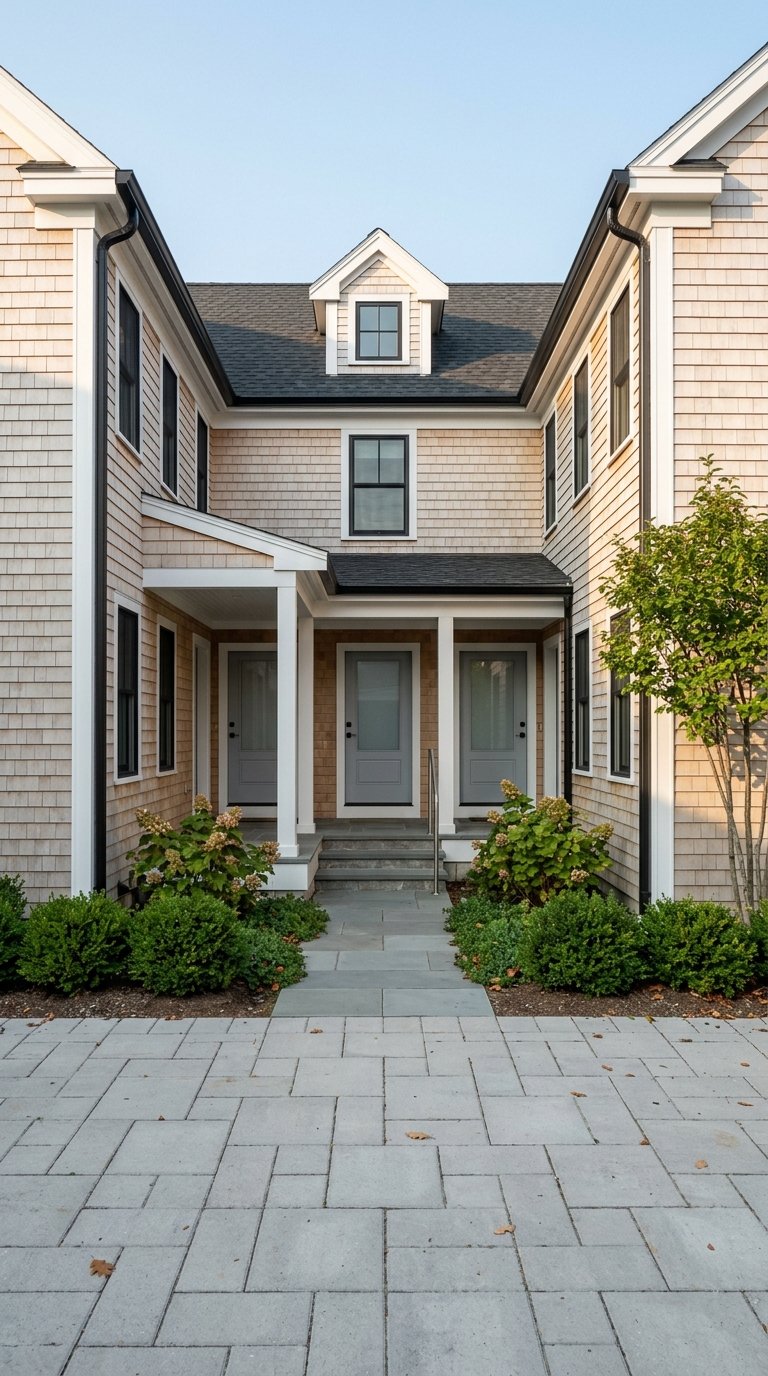
- Improve curb appeal with trimmed landscaping, fresh mulch, power-washed siding, and a clean driveway.
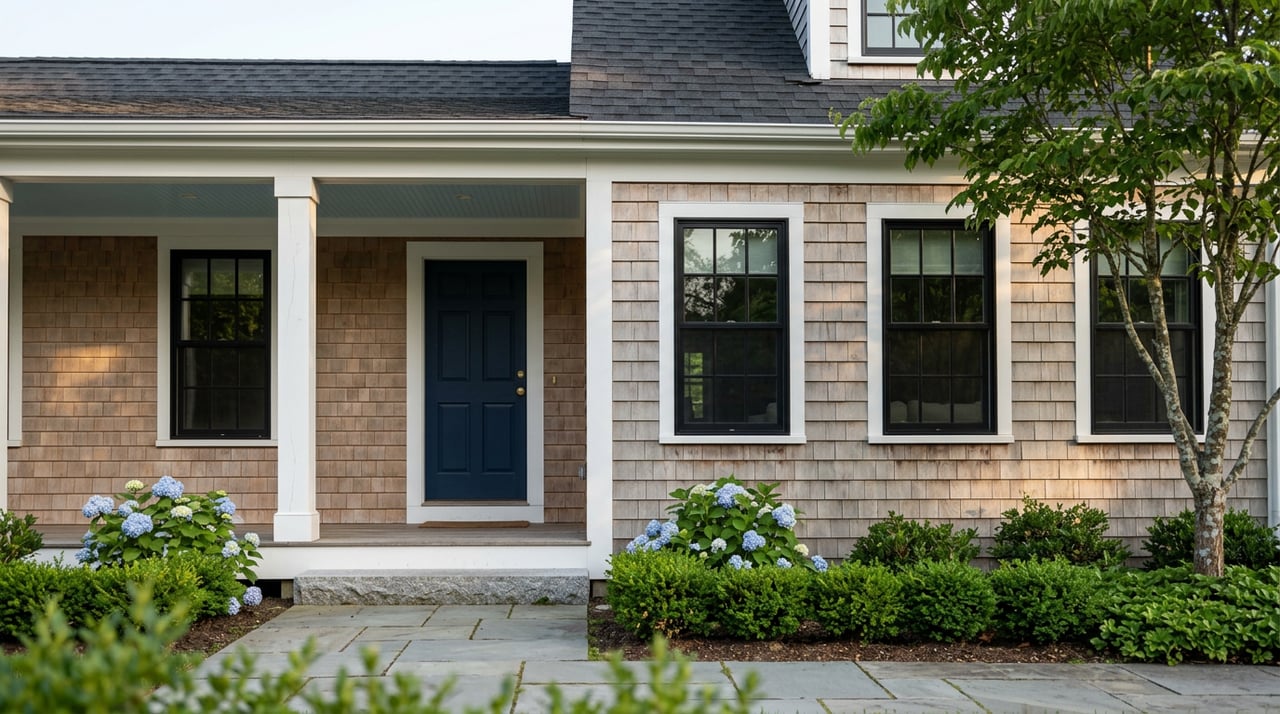
- Refresh the front door with new paint and updated hardware. If the budget allows, consider replacing a worn garage door or steel entry door. The annual Cost vs. Value report shows these exterior projects often recover a large share of cost at resale. See current data: Cost vs. Value 2025.
- For coastal homes, clear algae or salt staining on walkways, and sweep and tidy decks and railings.
Optional: Energy updates you can market
- If time and budget allow, complete targeted energy upgrades you can promote in your listing, such as weatherization or a partial heat pump installation. Incentives change, so confirm current offers here: Mass Save heat pump incentives.
Seller packet: the documents to gather now
Having a clean, complete packet ready for buyers shortens timelines and reduces risk of delays. Assemble copies in a single digital folder and keep originals safe.
- Deed and property tax card or assessor record.
- Recent survey or plot plan, if available.
- Building permits, Certificates of Occupancy, and contractor invoices for major work like siding, windows, doors, decking, roofing, or additions. Request copies from the town if needed: Scituate Building/Inspections.
- Title 5 inspection report if you are on septic or sewer connection paperwork if connected. Learn how Title 5 works for home sales: Massachusetts Title 5 guidance.
- Flood documents for coastal or near-water properties: current flood insurance declarations, elevation certificate if available, and any records of prior flood claims. The town’s coastal management page links to FEMA map resources and flood-zone info: Scituate Coastal Management & Flood Hazard Mitigation.
- Lead-based paint disclosure for homes built before 1978 and a copy of the EPA lead-hazard pamphlet acknowledgment. Details here: Federal lead paint disclosure overview.
- Radon test results and any mitigation documentation. Plymouth County has areas of moderate to higher radon potential, and buyers often request testing. See guidance here: Radon testing considerations.
- Solar paperwork if applicable: ownership vs lease documents, interconnection agreements, production data for the last 12 months, and warranties.
- Mass Save energy-improvement receipts and any home energy assessment report: Mass Save heat pump incentives.
- 12 months of utility bills for electric and fuel, plus water.
- Any pre-listing inspection reports and receipts for repairs or remediation.
- Any HOA, harbor, mooring, dock, or seawall permits or agreements.
Room-by-room pre-listing checklist
Use this quick list to prioritize tasks that add visible value without heavy spend.
Curb and exterior
- Power-wash siding, trim, and walkways. Remove algae or salt buildup.
- Repaint the front door in a neutral, welcoming tone and update hardware and house numbers.
- Tidy and stage the porch or entry with a simple mat and one planter.
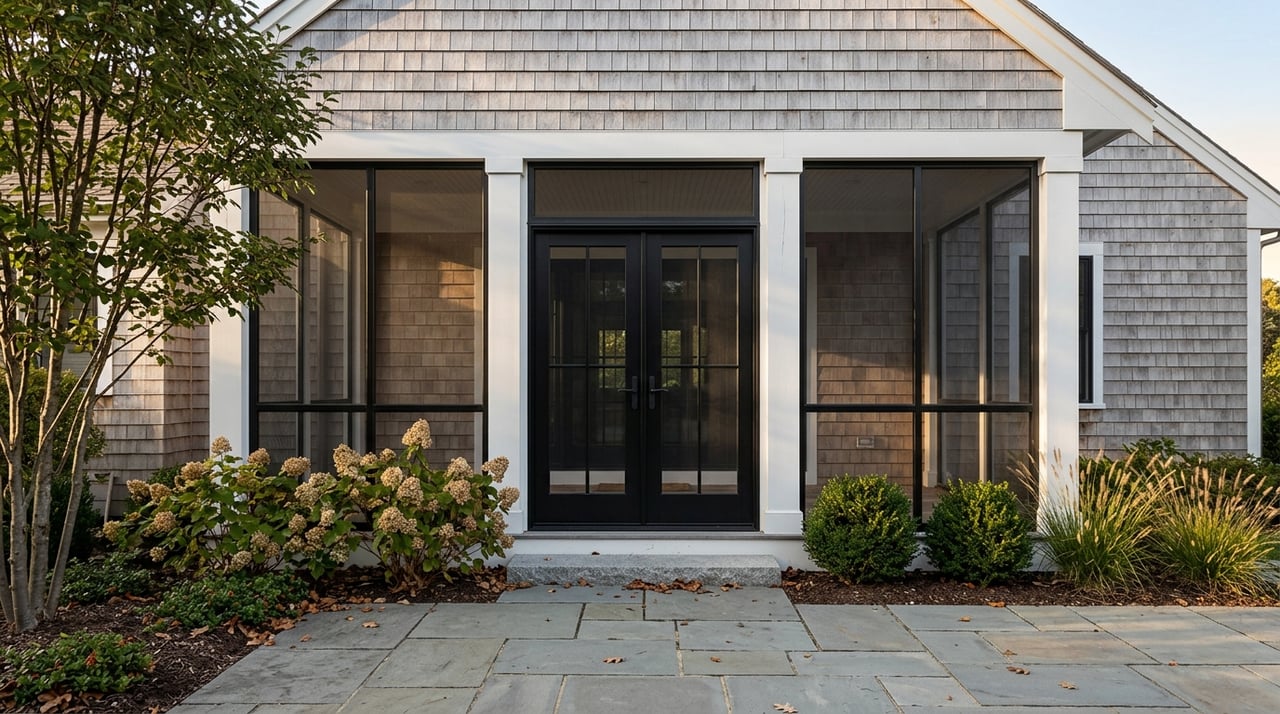
- Inspect decks and railings, sweep clean, and seal or stain if worn. Coastal buyers notice deck condition in photos and at showings. For local shoreline and flood context, review the town’s coastal resources: Scituate Coastal Management & Flood Hazard Mitigation.
- Consider small projects with strong resale recoup potential, like updating a worn garage door. See current returns: Cost vs. Value 2025.
Entry and living areas
- Declutter surfaces and reduce extra furniture to open sightlines.
- Use neutral paint and high-quality bulbs with warm color temperature to showcase light.
- Clean windows and window tracks so natural light and any view read clearly in photos.
- Stage with a simple rug, clean-lined sofa, and minimal accessories to create a calm first impression. NAR research shows living spaces respond well to staging: NAR home staging research.
Kitchen
- Keep the layout and refresh surfaces: new hardware, faucet, a modern pendant or under-cabinet lighting, and a tidy backsplash refresh where needed.
- Highlight efficient features like ENERGY STAR appliances in your listing copy.
- Clear counters, empty the fridge front, and organize inside cabinets. Buyers often open them.
- Consider a light cabinet paint or door replacement if finishes are very dated. A minor refresh is often smarter than a full remodel before listing. Check resale patterns: Cost vs. Value 2025.
Primary suite and baths
- Neutralize paint colors and remove personal items.
- Emphasize natural light and, if applicable, frame any water view by positioning the bed to open sightlines.
- Regrout stained tile, replace worn caulk, and swap dated hardware for simple, modern pieces.
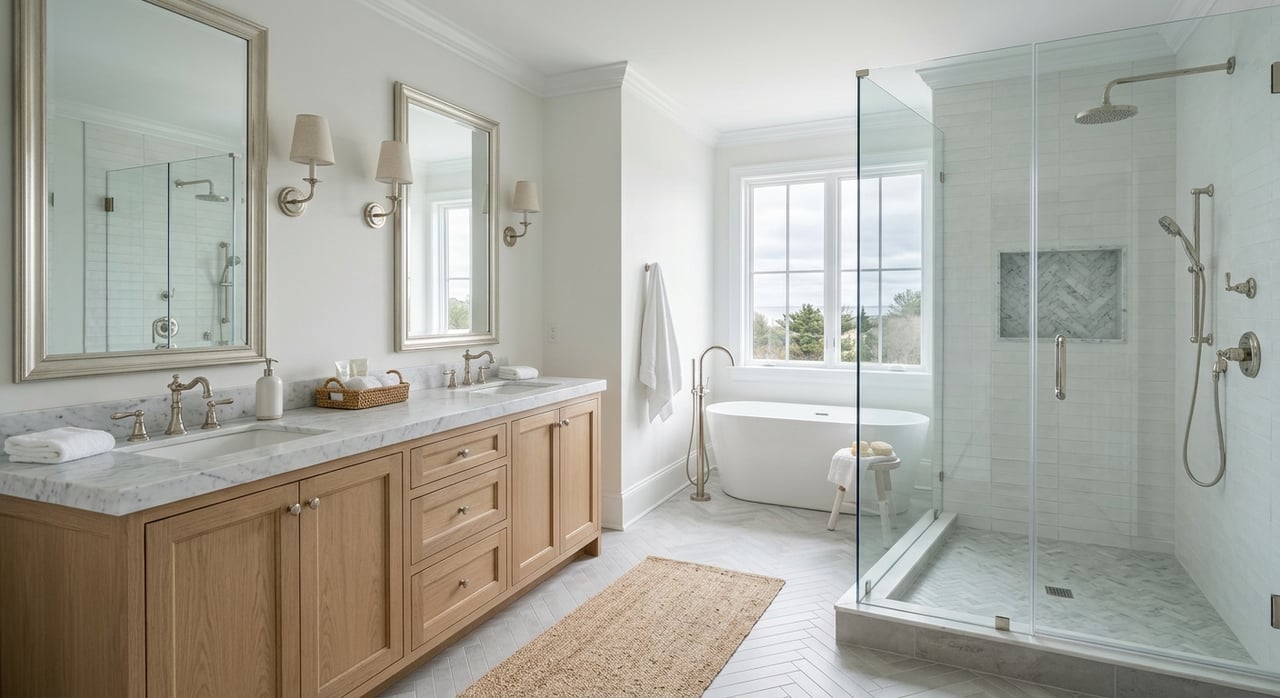
- Stage the vanity with clean towels and a small plant to create a spa feel.
Secondary bedrooms and flex spaces
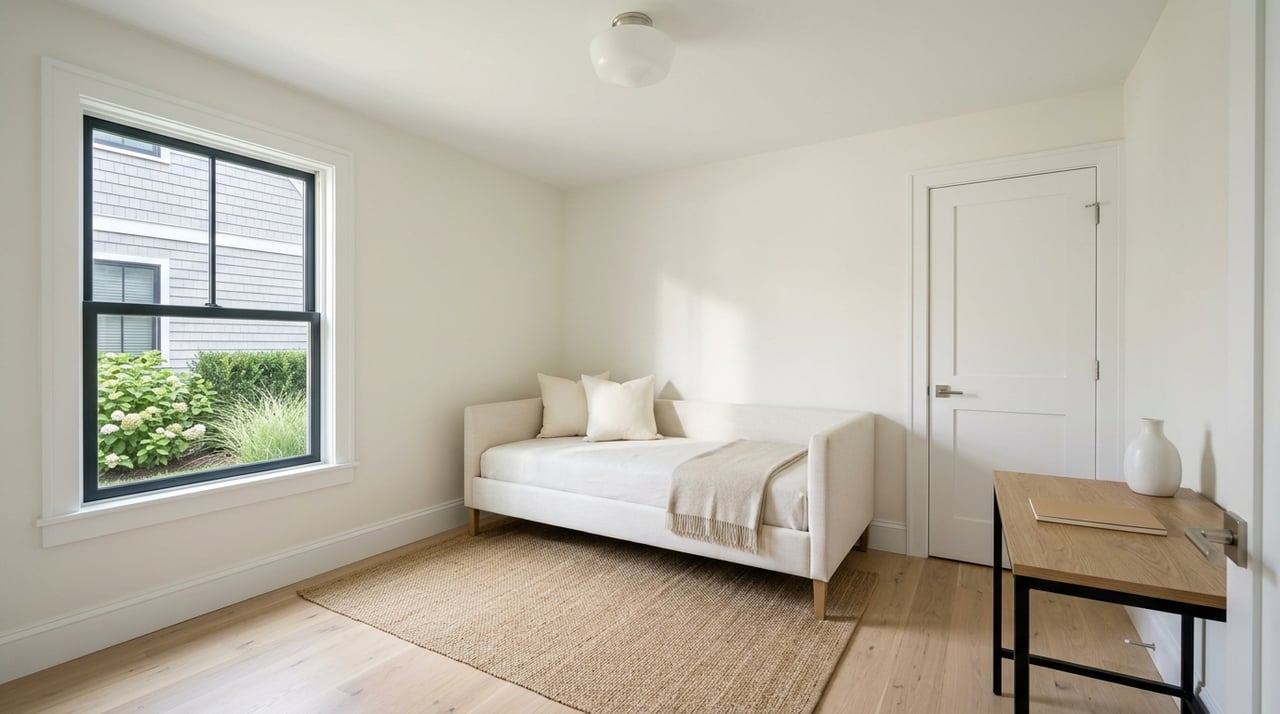
- Show flexibility. A simple desk or daybed signals office or guest options without cluttering the room.
- Remove specialty decor that narrows appeal and keep closets half-full to suggest ample storage.
- Good light and clear floors make smaller rooms feel larger.
Basement, mechanicals, and attic
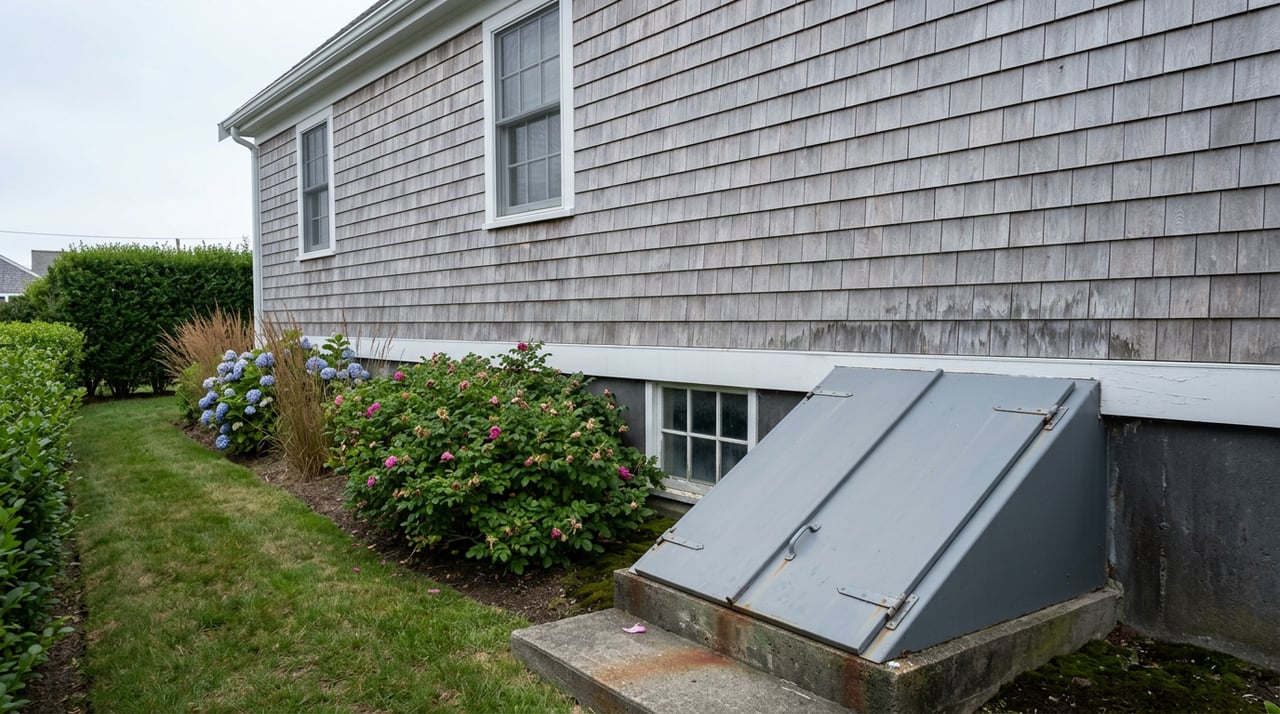
- Clean and brighten these areas with good lighting. Sweep floors and neatly store seasonal items.
- Label mechanicals and place recent service receipts in a clear sleeve so buyers can review them at a glance.
- If you are on septic, keep your Title 5 paperwork handy for buyer agents: Massachusetts Title 5 guidance.
Garage and storage
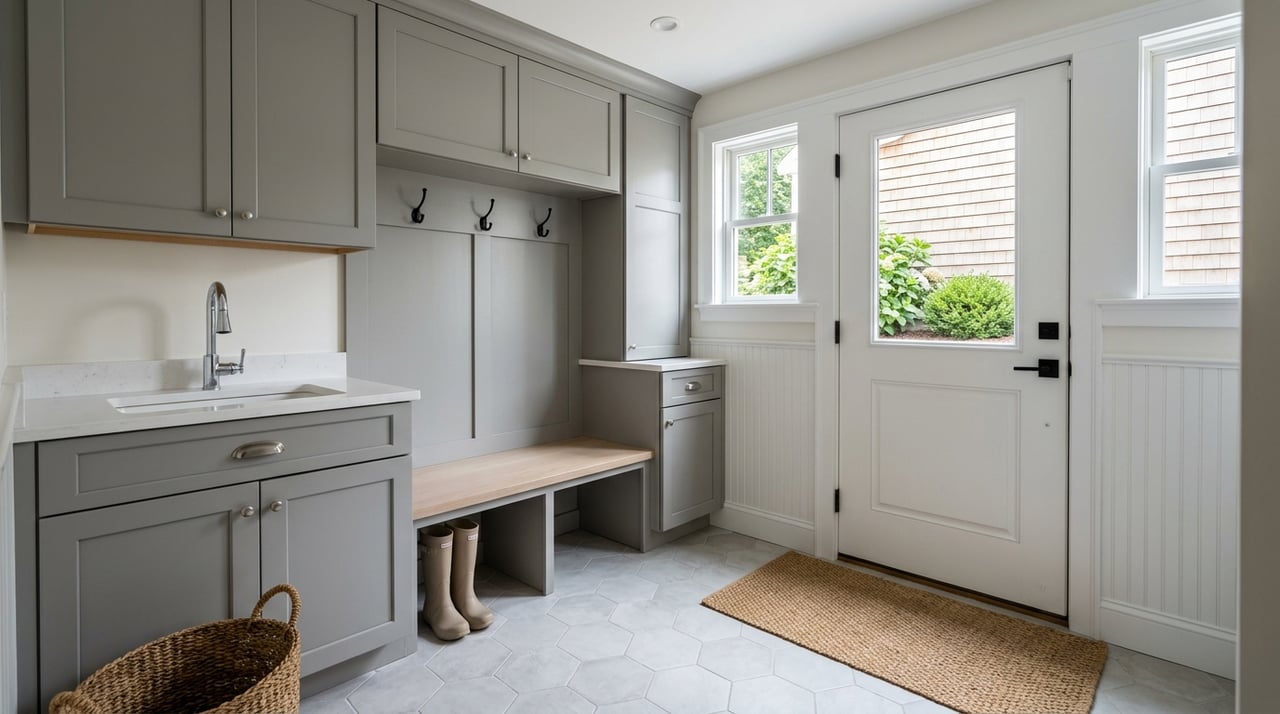
- Empty to the essentials, add simple shelving if needed, and keep the floor mostly clear to signal capacity.
- Remove bulky, off-season gear for photos. Buyers are tuned into storage on the South Shore.
Outdoor living and waterfront areas
- Treat decks and patios like another living room. Stage with a small table and chairs, not heavy or personal gear.
- Clean the glass on any sliders or French doors framing the view.
- Confirm railings are secure and cosmetically sound. A quick sanding and touch-up paint can make a big difference.
Coastal marketing essentials
Coastal homes deserve careful prep and clear communication. Prioritize these steps to show your water-related assets honestly and attractively.
- Protect and reveal the view. Trim low branches, raise or remove planters, and keep windows spotless.
- Plan for wide-angle professional photos and, when the setting allows, one well-composed aerial shot to show lot-to-water relationship and access routes.
- Be transparent about flood details in the listing. Note the insurer and policy dates and whether an elevation certificate is available. You can find local flood resources here: Scituate Coastal Management & Flood Hazard Mitigation.
- Gather and disclose mooring, dock, or seawall permits and any harbormaster documentation you have. Buyers ask early and often about access and seasonality on the South Shore.
Pricing, staging, and photography
Strong staging and thoughtful photography help your home shine online in a competitive coastal market. NAR finds that staging helps buyers visualize a property and can trim time on market, especially when you focus on the living room, kitchen, and primary bedroom. Read more here: NAR home staging research.
For photos, aim for a bright day with low humidity so coastal light reads clean and crisp. Early evening can deliver warm, even light that flatters interiors and exteriors. If you have a seasonal garden or deck setup, plan a quick refresh so the camera captures your outdoor living potential.
Avoid over-improving: smart ROI
Before tackling big projects, weigh resale impact against time and budget. National Cost vs. Value data shows small-to-midsize projects often recover more at resale than large overhauls. For many sellers, a minor kitchen refresh, a bath tune-up, and exterior improvements like a new entry or garage door are safer bets than full renovations. Review current returns here: Cost vs. Value 2025.
A simple rule of thumb: if a project will not be complete before your ideal list date or requires a complex permit, consider pausing. Often, a clean, well-staged home that photographs beautifully will outperform a half-finished remodel.
Ready to map your pre-list plan and marketing timeline? Reach out to The Guimares Group for a local, step-by-step preparation consult and a photo-first listing strategy tailored to Scituate and the South Shore.
FAQs
What is Title 5 and when do I need the septic inspection for a Scituate home sale?
- In Massachusetts, most homes on septic require a Title 5 inspection around the time of sale, and sellers should provide a recent report; get details and timing here: Massachusetts Title 5 guidance.
How should I prepare flood and insurance documents for a coastal Scituate listing?
Which rooms should I prioritize for staging before listing my Scituate home?
- Focus on the living room, kitchen, and primary bedroom, since NAR research shows these spaces have the most impact on buyer perception and time on market: NAR home staging research.
Should I test for radon before listing in Plymouth County?
- Buyers often request a radon test, especially if prior results are old, so consider providing recent test results or mitigation documentation to speed negotiations: Radon testing considerations.
What quick exterior fixes deliver the best ROI on the South Shore?
- National data shows small-to-midsize exterior projects like a new steel entry door or refreshed garage door often recover a high share of cost at resale: Cost vs. Value 2025.
How do I handle solar panels when selling my Scituate home?
- Gather ownership or lease/PPA paperwork, interconnection agreements, last 12 months of production, and warranties; buyers and lenders review these early, so completeness helps deals move faster.