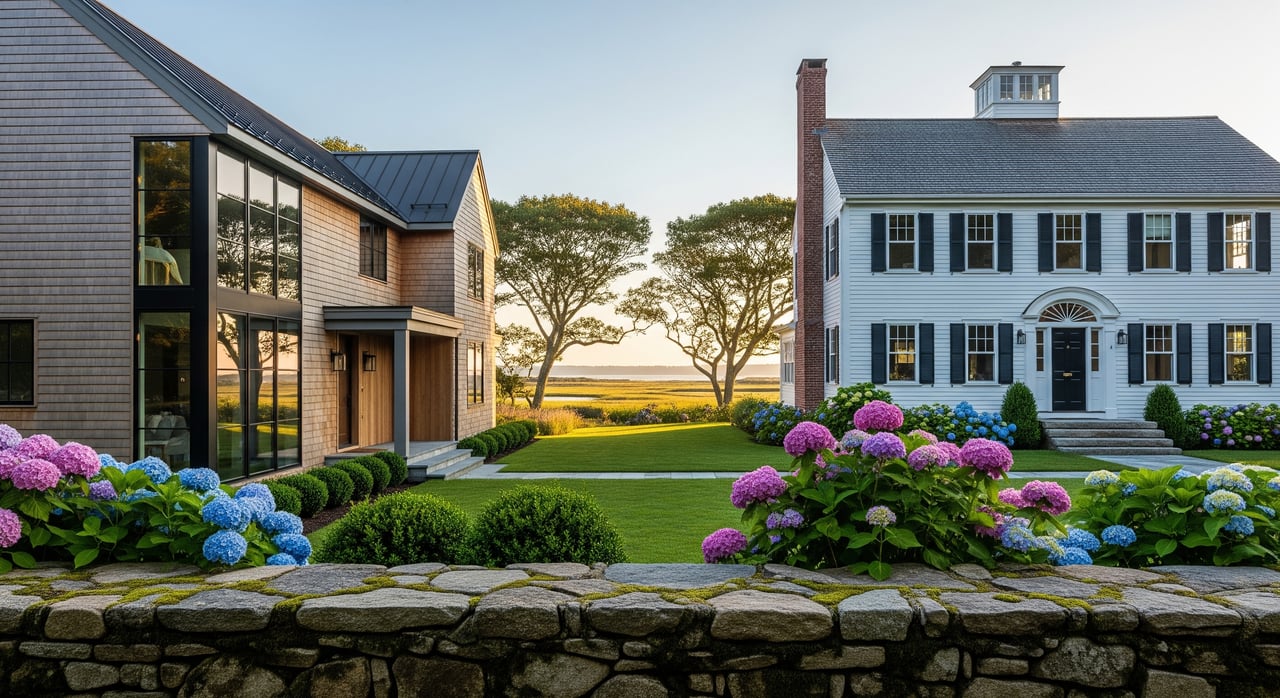
New Construction Or Resale In Hanover: How To Decide
February 5, 2026
February 5, 2026
Staring at floor plans and open houses and wondering which path fits you best? You are not alone. On the South Shore, many buyers debate whether to build new or buy a resale in Hanover. In this guide, you will learn how price, timeline, customization, maintenance, energy costs, and local factors like septic and wetlands shape the decision. You will also see real-life scenarios to help you choose with confidence. Let’s dive in.
Hanover sits within commuting distance of Boston with Route 3 and key state routes connecting you to the city and the Cape. Commuter rail access is available on the Kingston–Plymouth line, which many South Shore residents use for Boston commutes. Your commute preferences often determine neighborhood choices, so map your likely route and schedule early.
Inventory on the South Shore can be tight, especially in established neighborhoods close to major corridors. New construction typically appears as single-family subdivisions, infill lots, and some age-restricted communities. Supply depends on local developer activity and approvals rather than a constant pipeline.
Local permitting, septic or sewer availability, and conservation rules influence what gets built and where. Some lots are affected by wetlands or floodplain boundaries, which can limit usable square footage. Before you commit to a site or a resale, it helps to understand Title 5 septic requirements, sewer tie-in options, and any conservation constraints.
New construction often sells at a premium per square foot compared to similar resales. You are paying for new systems, modern layouts, builder warranties, and the ability to choose finishes. Resale homes can offer better near-term value, especially if you are comfortable updating over time. In softer markets, resales may leave more room for negotiation.
Resale timelines are typically faster. Many buyers close within 30 to 60 days after an accepted offer if financing and inspections stay on track. New construction is a longer journey that usually runs 6 to 12 months or more from contract to move-in. Weather, permitting steps, and supply-chain issues can add delays, so build in cushion if you have a firm move-by date.
If you want to select floor plans, layouts, and finish packages, new construction is your best fit. Custom or semi-custom builds provide the broadest choices, but every change order can add cost and time. Resale offers less upfront control over layout. You can renovate after closing, which spreads costs but adds a second project timeline.
Brand-new systems mean fewer surprises in the first few years of ownership. Roof, HVAC, windows, and appliances should have long service lives and warranty coverage. With resale, you rely on inspection results and maintenance records to gauge likely replacements. A thorough inspection helps you budget for near-term upgrades.
New homes are built to current building and energy codes, so expect better insulation, tighter envelopes, and higher-efficiency equipment. That can reduce operating costs compared to many older homes. Resales can be improved through weatherization and equipment upgrades, but factor retrofit costs into your total budget.
Property taxes are based on assessed value. A new home may carry a higher assessment once completed, and some subdivisions include betterments or special assessments for infrastructure. Newer communities often have homeowners associations with rules and fees. Builders sometimes offer incentives like closing-cost help or upgrades, so weigh the value of those offers against appraisal and final price.
Resale purchases typically use a standard purchase-and-sale agreement with inspection and financing contingencies. New construction contracts are builder-specific and can include stage payments, change-order rules, limited inspection windows, and detailed warranty terms. These documents can be one-sided, so professional legal review is wise.
Conventional, FHA, and VA loans are common for resale purchases. For new builds, you may use a construction-to-permanent loan, a lot loan, or builder-arranged financing. Construction loans often require higher down payments and interest-only draws during the build. Ask early about appraisal timing, rate locks, and how incentives or upgrades affect your final loan terms.
Resale appraisals rely on recent comparable sales nearby. Appraising new construction can be tougher when there are few comps, especially early in a subdivision. Lenders may ask for higher down payments or additional documentation to support value in those cases.
For resale, schedule a full home inspection and consider radon testing. If the home was built before 1978, review lead paint disclosures. Where applicable, a Title 5 septic inspection is required for resale in Massachusetts. For new construction, plan independent inspections at framing, mechanical rough-in, and final walk-through, and make sure you receive written warranty details, including workmanship, systems, and structural coverage.
Parts of the South Shore use septic systems rather than municipal sewer. Title 5 septic inspections apply to resales, and compliance affects closing. For new builds, understand the cost and design of the septic system or the process for a sewer tie-in. Either way, confirm local requirements with the town and factor sitework into your budget.
Use this simple filter to narrow your path:
Choose new construction if:
Choose resale if:
Consider both paths if:
If your start date is fixed, resale or a move-in-ready spec home is your safest bet. You can close on a resale within a typical 30 to 60 day window. A ready-to-close new build also works if it meets your needs. Avoid a ground-up start if you cannot flex your timeline.
If you want modern systems and fewer early repairs, new construction is attractive. Confirm what the builder’s warranty covers and plan independent inspections at key milestones. Ask about the HVAC type and insulation package. The right choices here can reduce operating costs.
Go custom or semi-custom if you care about configuration, storage, and specialized spaces. Expect a higher budget and a longer timeline for change orders and approvals. Confirm how the builder handles pricing for upgrades and what is included in the base package. Put all selections in writing before work begins.
If value per dollar is your priority, resale often offers more house for the price. You can target established neighborhoods near your preferred route or rail station. Plan for a strong inspection and a realistic renovation budget for updates after closing. Trade a little customization today for location and speed.
Both paths can perform well. Tight-inventory resales in convenient areas tend to hold value. New construction in a well-conceived subdivision can appreciate as phases deliver and comps establish. Study absorption rates, local amenities, and community rules to understand long-term prospects.
Resale checklist:
New construction checklist:
Both paths:
If you are leaning toward new construction, build a realistic timeline and selection plan before you sign. Identify your must-haves, set an allowance budget for finishes, and decide how you will handle site visits and milestone checks. For resale, get preapproved, line up your inspection team, and target neighborhoods that match your commute pattern and budget.
You do not have to navigate this alone. A team that specializes in South Shore new-home sales can help you compare builder packages, read contract terms, and structure inspections around key construction phases. Transparent tools like a client portal, weekly on-site photos, and milestone tracking keep you informed from reservation to closing, which reduces stress during a long build. If you go resale, the same disciplined process applies to comps, negotiations, and closing coordination.
Ready to compare options, see active projects, or map out a clear plan? Talk with a local specialist who does both new construction and full-service brokerage. Start your search with The Guimares Group and get a straightforward path to your next home.
Stay up to date on the latest real estate trends.
July 23, 2026
July 16, 2026
July 9, 2026
July 2, 2026

June 25, 2026
June 18, 2026
June 11, 2026
June 4, 2026
May 28, 2026
For the best service and results when it comes to all of your real estate needs, reach out anytime.